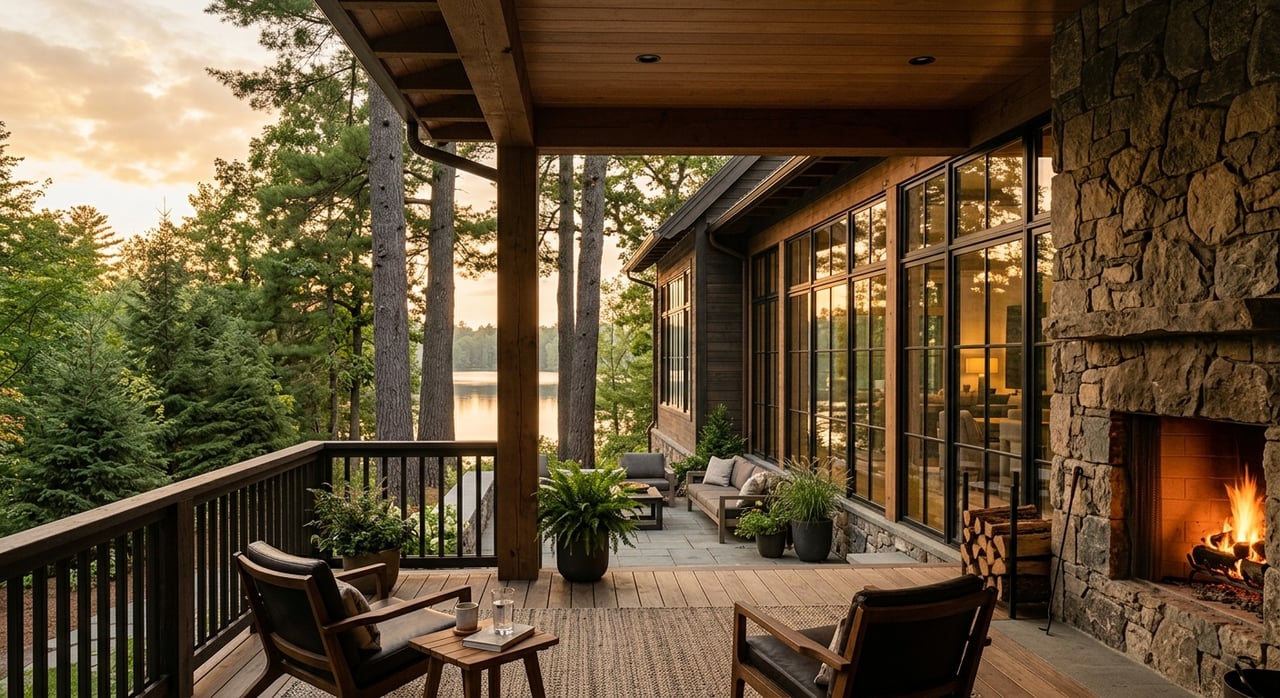
If you picture lake life as noisy crowds and nonstop traffic, the Hayesville side of Lake Chatuge may surprise you. This part of the lake blends mountain scenery, a small-town pace, and easy water access in a way that feels both peaceful and practical. If you are thinking about buying, selling, or simply learning the area, this guide will help you understand what makes the Hayesville side distinct. Let’s dive in.
Why the Hayesville Side Stands Out
Lake Chatuge is a TVA reservoir on the Hiwassee River that stretches about 13 miles. It sits in both Clay County, North Carolina, and Towns County, Georgia, with around 7,000 acres of water and more than 130 miles of shoreline. From Hayesville, you get direct access to this major lake while still living in a smaller, quieter setting.
Hayesville itself is the county seat of Clay County, which had 11,089 residents in the 2020 Census. The town had a population of 461 in 2020 and is the county’s only incorporated town. That small scale shapes the experience in a big way.
Instead of a resort-heavy atmosphere, you will find a historic square, local shops and restaurants, seasonal events, and a walkable town center close to the water. The town also hosts summer Friday evening concerts, which adds to the relaxed lake-town feel. For many buyers, that balance is the appeal.
Lake Chatuge Lifestyle in Hayesville
Small town meets lake access
On the Hayesville side, daily life often feels grounded and easygoing. You can spend part of your day on the water, then head back into town for errands, a meal, or an evening event around the square. That mix of convenience and calm is one of the strongest reasons people are drawn here.
Hayesville is also about a two-hour drive north of Atlanta, according to the town. For second-home buyers or weekend users coming from metro areas, that makes the lake more reachable without losing its mountain character.
The mountain setting matters
The local climate is part of the lifestyle too. Hayesville averages about 63 inches of rainfall each year, and nearby higher elevations can see more rainfall, more snowfall, and cooler temperatures. In practical terms, that means the scenery shifts with the seasons and outdoor living changes throughout the year.
If you are considering a full-time move or a second home, it helps to think beyond summer. The Hayesville side offers a four-season mountain-lake setting, not just a peak-season waterfront experience.
Recreation on the Hayesville Side
Public lake access points
The North Carolina side has three public boat ramps identified by the local chamber:
- Jackrabbit Mountain Campground
- Gibson Cove Campground
- Ledford Chapel Wildlife Access Ramp
That is important for both owners and visitors. Even if a property is not directly on the water, public access can still support a very lake-centered lifestyle.
Jackrabbit Mountain Recreation Area
Jackrabbit Mountain is one of the signature recreation areas on the Hayesville side. The Forest Service says it sits on a peninsula on Lake Chatuge and includes a swimming beach, fishing pier, boating access, and about 15 miles of stacked-loop hiking and biking trails.
For buyers, this adds another layer to the area’s appeal. You are not only buying near the lake. You are buying near a well-known outdoor destination that supports boating, hiking, biking, swimming, and fishing in one place.
Camping and seasonal use
Gibson Cove offers lakeside camping, and the grounds remain accessible year-round even when some amenities are seasonal. Its restrooms, showers, and campsites typically operate in late spring and summer. Jackrabbit Mountain Campground also runs seasonally, generally from May through September.
That seasonal rhythm is part of how Lake Chatuge works. Summer brings fuller recreation use, while cooler months tend to feel quieter and more residential.
What Buyers Should Know About Seasonality
TVA says Lake Chatuge’s water level normally varies by about 10 feet from summer to winter. If you are shopping for waterfront property, that matters. Views, shoreline appearance, dock access, and how a cove feels can all change with the season.
This is one reason local guidance is so valuable when you compare properties. A home that feels one way during summer may look different in winter, especially around shoreline depth, access, and usability.
There is also an active TVA issue to watch. TVA says it is studying safety modifications for Chatuge Dam and has discussed a drawdown to 1908 feet, which is about 10 feet below winter pool, though no preferred alternative has been chosen. TVA also notes that future work could affect access ramps, docks, shorelines, and other recreation facilities.
For buyers and sellers alike, this does not mean panic. It does mean waterfront decisions should be made with current, parcel-specific information.
What Homes Feel Like Near the Water
The Hayesville side is not a one-size-fits-all lake market. The town’s zoning framework includes several districts, including residential, business, and industrial categories, and the near-water housing mix tends to be parcel specific.
In real terms, buyers often compare:
- Single-family lake homes
- Rural homesites near the water
- Cove lots
- Hillside properties with lake views
- Smaller planned communities
The market generally leans toward detached homes and cabin-style ownership rather than dense multifamily development on the water. That gives the Hayesville side a more residential and private feel.
Dock Rights and TVA Rules Matter
If you are shopping for waterfront property, this is one of the most important parts of the conversation. TVA says newly proposed docks require a Section 26a permit, and not all waterfront property qualifies for a dock.
TVA also says many residential shoreline improvements may require approval, including:
- Piers
- Boathouses
- Steps
- Walkways
- Shoreline stabilization
Just as important, permits do not automatically transfer when a property sells. A new owner must request the transfer and notify TVA within 60 days of taking title.
This is where details matter. Two waterfront homes may look similar online, but their shoreline rights and permit status can be very different.
Hayesville Side vs Georgia Side
A lot of buyers compare both sides of Lake Chatuge, and the difference often comes down to feel. Based on the official sources in this area, the Hayesville side tends to come across as more town-centered and residential, while the Georgia side has a denser resort and marina presence nearby.
Hayesville highlights its historic square, town events, restaurants, shops, and access to the lake. On the marina side, the Clay County chamber currently shows one Hayesville marina listing, Margarita Jack's Marina and RV, while several marina and resort options appear across the state line in Georgia.
That does not make one side better than the other. It simply helps clarify the choice. If you want quieter waterfront living with solid public access and a small-town setting, the Hayesville side may fit you well.
Fishing and Cross-State Use
Lake Chatuge is shared by North Carolina and Georgia, and even fishing reflects that. North Carolina’s rule for Chatuge says valid statewide North Carolina or Georgia fishing licenses are reciprocally honored for hook-and-line fishing throughout the reservoir, including tributary waters accessible by boat from the main body.
For lake users, that means the water behaves more like a shared border lake than a simple single-state lake. If you enjoy fishing or boating across both sides, that shared setup can be a real convenience.
Is the Hayesville Side Right for You?
If you are looking for a polished resort scene right outside your door, you may find more of that nearby on the Georgia side. But if you want a quieter mountain-lake lifestyle anchored by a real small town, the Hayesville side has a strong case.
It offers direct access to Lake Chatuge, public recreation, a charming town center, and a housing mix that often feels more private and residential. At the same time, it requires careful attention to shoreline rules, seasonal water changes, and parcel-specific dock questions.
That is why experience matters in this market. Whether you are buying a lakefront home, selling a property with water access, or comparing the North Carolina and Georgia sides of the lake, clear guidance can make the process much smoother.
If you are exploring Lake Chatuge from the Hayesville side, Lucretia Collins can help you navigate the details with local insight, thoughtful guidance, and the kind of service that keeps the process clear from start to finish.
FAQs
What is the Hayesville side of Lake Chatuge known for?
- The Hayesville side is known for a quieter, more residential lake experience with access to a historic small-town center, public boat ramps, and outdoor recreation like hiking, biking, fishing, and boating.
What public boat access is available on the Hayesville side of Lake Chatuge?
- The North Carolina side includes public boat access at Jackrabbit Mountain Campground, Gibson Cove Campground, and Ledford Chapel Wildlife Access Ramp.
Can every waterfront home on Lake Chatuge have a dock?
- No. TVA says not all waterfront properties are eligible for a dock, and newly proposed docks require a Section 26a permit.
What should buyers know about Lake Chatuge water levels?
- TVA says the lake’s water level normally changes by about 10 feet from summer to winter, which can affect shoreline appearance, access, and how a property feels across seasons.
Is fishing on Lake Chatuge allowed with a North Carolina or Georgia license?
- Yes. North Carolina’s rule for Chatuge says valid statewide North Carolina or Georgia fishing licenses are reciprocally honored for hook-and-line fishing on the reservoir and certain tributary waters accessible by boat.
How is the Hayesville side different from the Georgia side of Lake Chatuge?
- The Hayesville side generally feels more small-town and residential, while the Georgia side appears to have a denser mix of marinas, resorts, and tourism-oriented activity nearby.