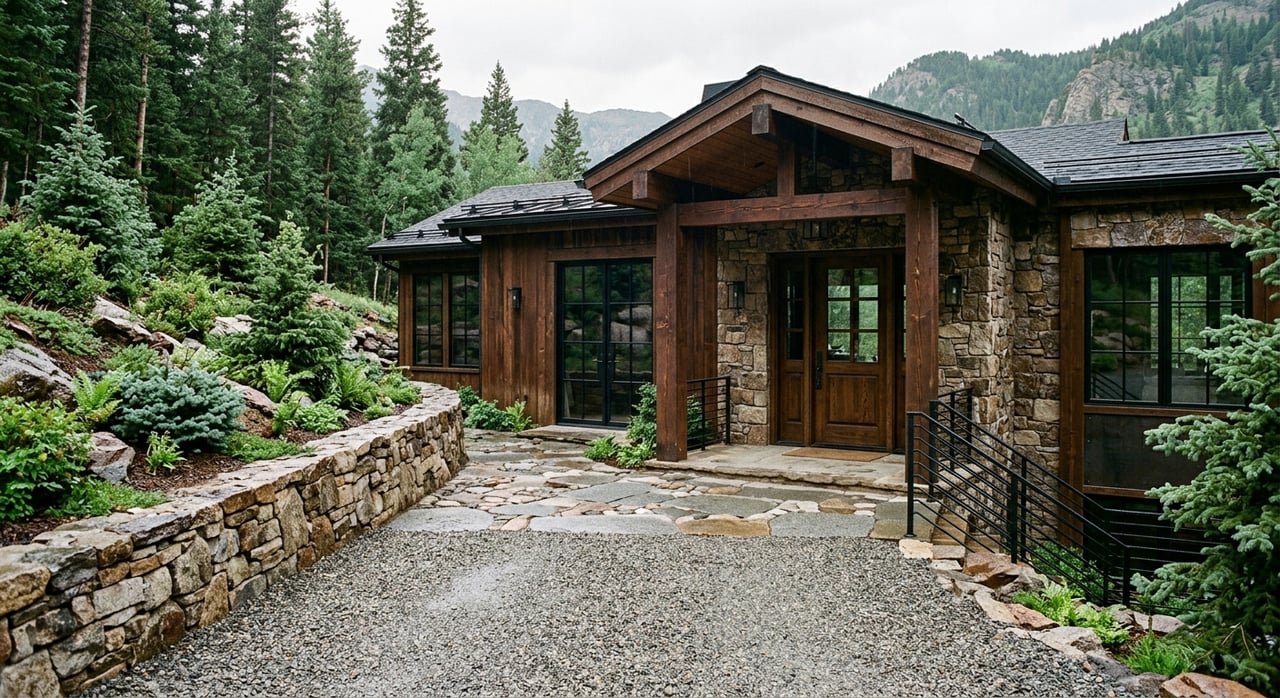
Buying a mountain home in Murphy can feel exciting right up until the practical questions show up. A cabin view may catch your eye, but the real decision often comes down to access, slope, utilities, and what you can verify before closing. If you are considering a home in Murphy, NC, this guide will help you focus on the details that matter most so you can buy with more confidence. Let’s dive in.
Why Murphy home buying is different
Murphy is in Cherokee County, North Carolina’s western-most county, bordered by Tennessee and Georgia and located in the southern tip of the Great Smoky Mountains. That mountain setting is part of the appeal, but it also means two properties just a few miles apart can have very different conditions.
One home may have easy year-round access and town utilities, while another may rely on a steep driveway, a private well, and a septic system. In Murphy, the beauty of the setting and the realities of the site go hand in hand. That is why buying here calls for a mountain-specific checklist.
Start with the land itself
Check slope and buildability
In mountain markets, the lot matters just as much as the house. Steep terrain can affect where a home, driveway, and septic system can go, and some lots may have limited usable space even if the total acreage sounds appealing.
North Carolina guidance says slopes greater than 30% are generally unsuitable for standard on-site wastewater systems unless a modified system can be approved. Gullies, ravines, and irregular terrain can also create problems for site suitability. If a property depends on septic, this is one of the first things you should verify.
Ask about drainage and slope movement
Western North Carolina is a landslide-aware region, and the state notes that landslides can pose significant risks to property and infrastructure. That does not mean every mountain home has an issue, but it does mean you should ask direct questions about drainage, cut slopes, erosion, and any past slope movement.
A pretty hillside lot may still deserve a closer look if water runs toward the home, if the ground has been heavily cut, or if there are signs of prior instability. In Murphy, understanding how the land handles water is a big part of understanding long-term ownership.
Look beyond the view
Views are a major draw in Murphy, but they should not distract you from the practical layout of the site. A home perched on a ridge may offer great scenery, but you still want to know how easy it is to reach, maintain, and service in every season.
As you tour properties, pay attention to driveway grade, parking space, turning room, and how the house sits on the lot. Those details can affect your day-to-day experience more than a photo ever could.
Access can be a deal-breaker
Confirm road access
Road access is one of the most important parts of buying a mountain home. You will want to know whether the road is public, private, or shared, and who handles maintenance.
Winter travel matters more in mountain communities than it does in flatter areas. The North Carolina Department of Transportation warns that black ice can form unpredictably and recommends staying off roads when conditions are bad. That makes road condition, driveway slope, and maintenance responsibility especially important to ask about before you buy.
Verify the 911 address
In Cherokee County, a correct 911 address is more than a mailing detail. The county says an incorrect 911 address may not be recognized by utilities, service providers, or delivery services, and a 911 address is required before a residential building permit is issued.
You should also confirm that the property is easy to locate from the road. Cherokee County advises that the address should be posted on the home and, if the home is not visible from the road, at the beginning of the driveway. That is important for deliveries, service calls, and emergency response.
Utilities vary from parcel to parcel
Understand town versus county service
One of the biggest differences in Murphy real estate is whether a property is inside the Town of Murphy or outside town limits. Service rules can change based on that location.
Inside town, water and sewer hookups may be required when accessible mains are nearby. The Town of Murphy says properties with an accessible water main within 300 feet and an accessible sewer main within 200 feet must connect to town service, with wells and septic allowed only in limited situations.
Ask specifically about each utility
Do not assume utility availability based on a listing or nearby homes. Ask whether water, sewer, electricity, internet, phone, and trash service are available at that exact parcel.
The Town of Murphy notes that electricity is provided through Murphy Power, and it lists Frontier, Murphy Cable, Blue Ridge Mountain EMC, and Sky Tec among internet service options. Town garbage pickup is for city residents only, while Cherokee County operates solid-waste facilities and convenience centers. In mountain areas, service can vary more than buyers expect.
Consider water pressure and elevation
Elevation can affect day-to-day living in ways buyers do not always think about. Murphy’s water system uses multiple pressure zones and booster pumps for mountain areas such as Fain Mountain and Poorhouse Mountain.
That is a helpful reminder that water pressure and service reliability may differ depending on where the home sits. If a property is in an elevated area, it is worth asking how water service functions there.
Septic and well due diligence matter
Review septic records carefully
If the home has a septic system, ask for the septic permit, system layout, and maintenance history. Cherokee County Environmental Health handles septic, well, and water testing locally, and the county’s residential permit process requires written approval for a septic or well system, or written approval to connect to town water and sewer.
North Carolina health guidance advises buyers to request a copy of the septic permit and layout from the local health department and ask the seller about the system’s age and service history. That information can help you understand capacity, location, and possible limits on future changes to the property.
Know common septic warning signs
A septic system may work quietly for years, but you still want to know what to watch for during due diligence. State guidance says septic tanks should be inspected annually and pumped as needed.
Warning signs can include slow drains, sewage backups, soggy yard areas, bad odors, and alarms on pump systems. If any of those are present, you may need more investigation before moving forward.
Test well water when needed
If the property has a private well, ask for recent water test results. North Carolina requires newly constructed private wells to be tested before use as a drinking-water source, with bacterial and chemical testing completed within 30 days of well completion.
For existing wells, testing is still a smart step during due diligence. The state also advises testing after repairs, replacements, or flooding events, since contaminants can enter if the well system is opened or submerged.
Use the due-diligence period wisely
Build enough time into the contract
North Carolina’s due-diligence process gives you time to investigate the property before closing. According to the North Carolina Real Estate Commission, common due-diligence items include home, pest, and septic inspections, a survey, appraisal, title search, loan qualification, and repair negotiation.
The due-diligence period and fee are negotiable. In a mountain market like Murphy, it is important to allow enough time for any added site-specific work, especially if the property has a steep lot, private road access, well water, or septic.
Prioritize the right inspections
A standard home inspection is only the beginning for many mountain properties. Depending on the home and site, you may also want to look closely at septic, well-water testing, drainage patterns, road access, and a survey.
The goal is simple: make sure the parcel can be reached, addressed, serviced, tested, insured, and maintained safely over time. In Murphy, those are often the questions that matter most.
Check flood, radon, and other property risks
Review flood-zone information
Flood risk is not limited to large rivers or coastal areas. FEMA notes that floods can happen almost anywhere, and flood-hazard information should be checked through the official flood map source.
This is especially important if a property is near a creek bottom, low-lying area, or other spot where water may collect. FEMA also notes that most homeowners insurance does not cover flood damage, and NFIP flood insurance generally has a 30-day waiting period unless an exception applies.
Consider radon testing
Radon is another smart item to include in your Murphy due-diligence plan. The North Carolina Radon Program recommends testing every home, and the state says piedmont and mountain counties are estimated to have the greatest proportion of homes with elevated radon levels.
That means radon testing can be worthwhile whether the home has a basement, crawlspace, or slab. It is a simple step that can give you more clarity before closing.
Smart questions to ask before you buy
If you are comparing homes in Murphy, these questions can help you stay focused on what matters most:
- Is the lot steep, terraced, or cut into a slope?
- Has the septic area been evaluated for buildability?
- Is there any history of drainage problems, erosion, or slope movement?
- Is the home in or near a flood zone, creek bottom, or low-lying area?
- Is the road public, private, or shared?
- Who handles road maintenance and snow or ice response?
- Is the 911 address active and easy to find from the road?
- Which utilities are available at this specific property?
- Can the seller provide septic records, system layout, and maintenance history?
- Can the seller provide recent well-water test results?
- Does the due-diligence period allow enough time for inspections, survey, appraisal, and lender review?
A steady approach pays off
Buying a mountain home in Murphy is about more than finding the right floor plan or the best porch view. It is about understanding how the property works in real life, from the road you drive to the utilities you use and the land beneath the home.
When you ask the right questions early, you can avoid surprises and make a more informed decision. With local knowledge, a careful process, and a clear plan for due diligence, you can move forward with confidence in one of Western North Carolina’s most scenic markets.
If you are thinking about buying a mountain home in Murphy, having a guide who understands the details can make all the difference. The team at Lucretia Collins brings local mountain-market knowledge, responsive service, and calm contract-to-close guidance to help you buy with confidence.
FAQs
What should you check first when buying a mountain home in Murphy, NC?
- Start with the site itself, including slope, drainage, road access, utility availability, and whether the property uses a well or septic system.
Why is septic due diligence important for Murphy mountain homes?
- Septic suitability can be affected by slope and terrain, and buyers should review the septic permit, system layout, and maintenance history during due diligence.
Do Murphy, NC homes always have town water and sewer?
- No. Utility service depends on the property location, and homes inside the Town of Murphy may have different water and sewer rules than properties outside town limits.
Should you test well water when buying a home in Cherokee County?
- Yes. If a home has a private well, recent water test results are important, and additional testing may be wise after repairs, replacements, or flooding events.
Is radon testing recommended for homes in Murphy, NC?
- Yes. North Carolina recommends testing every home, and mountain counties are estimated to have a greater proportion of homes with elevated radon levels.
What does due diligence cover in a North Carolina home purchase?
- Common due-diligence items include inspections, survey, appraisal, title search, loan qualification, and repair negotiation, with timing and fee terms negotiated in the contract.